Play With Purpose!
Toys don’t teach on their own… it’s how we use them together that makes the difference.
Whether your child is just starting to find their voice through words, signs, gestures, or other methods such as augmentative and alternative communication (AAC), here are some fun & simple ways to engage with your child. You don’t need to be a therapist or teacher to make play meaningful… just try a few of these ideas:
Use simple, repeated words - “pop!” “go!” “again!” “more” “yay!”
Add gestures - wave, point, reach, clap to match what you say.
Change your voice - use silly, high-pitched, quiet, or sing-song tones to hold attention.
Take turns - even if you’re doing both parts at first, or if their turn is just a glance, sound, smile, etc.
Follow your child’s lead - talk about what they’re doing, not what you think they should do, or narrate your own play if they need encouragement to explore, and try to limit asking questions repeatedly as this can overwhelm a child or limit their language exposure.
Pause and wait - count to 5 in your head and give your child a chance to respond or act.
Celebrate all communication - sounds, signs, smiles, points, and eye gaze all count as communication, so respond positively to it all!
These small changes help your child feel connected, successful, and safe to explore. You’re not just playing, you’re actually growing their brain.
If you’re considering adding in alternative communication methods such as sign language, high-tech AAC or visuals, go check out our parent resource section for support! Or view this Intro to AAC.
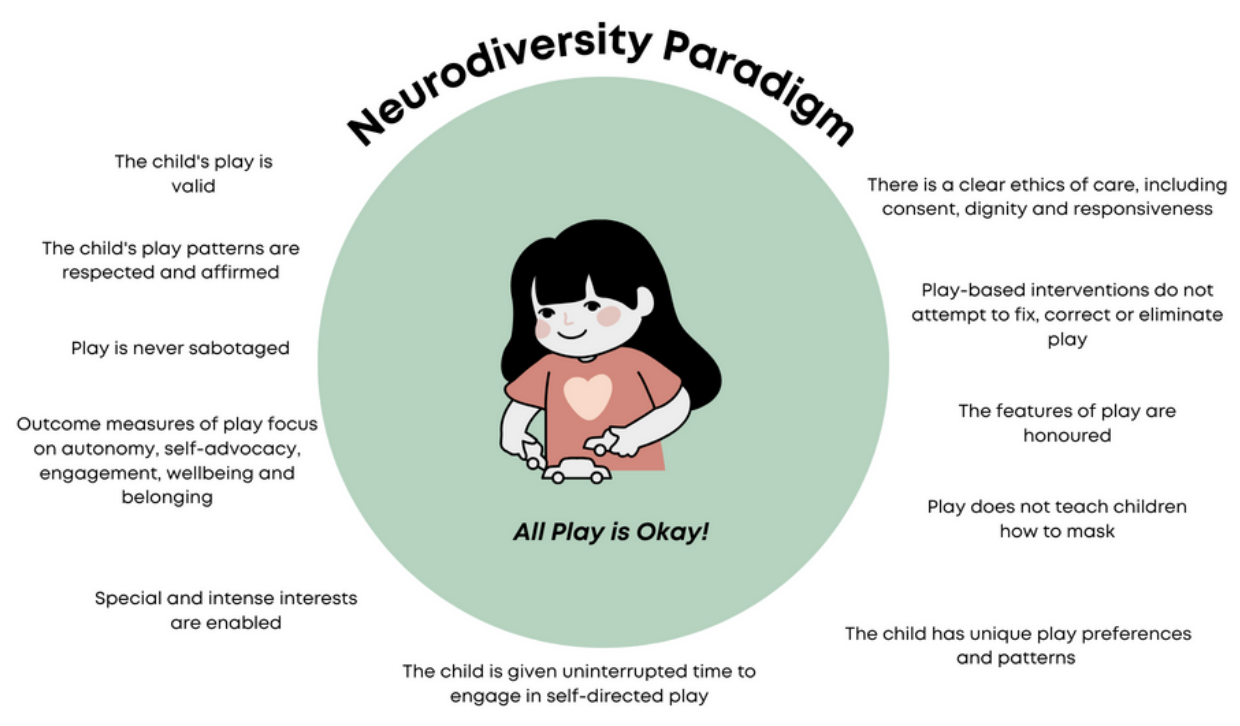
A Gentle Note on Neurodivergent Play
Every child explores the world in their own way and that includes how they play.
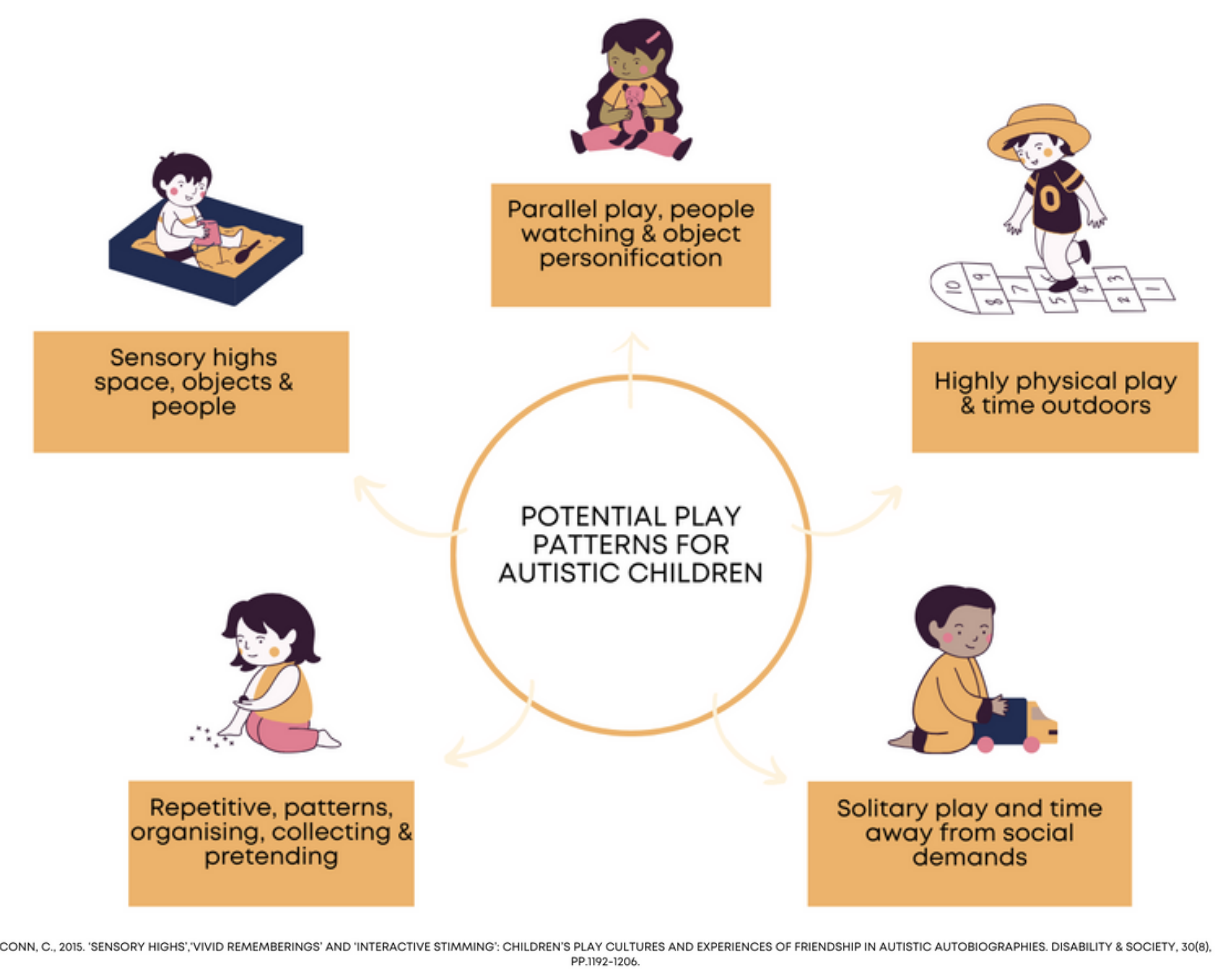
Some neurodivergent children prefer to line things up, repeat actions, engage in solitary play, or focus on one part of a toy. This isn’t “wrong”, it’s their way of learning, processing, or self-regulating. Play doesn’t need to look like pretend tea parties or building towers to be meaningful.
You can support your child’s unique play style by:
Joining in, not redirecting—imitate their play to connect on their terms.
Describing, not correcting—say what they’re doing without trying to change it.
Commenting, not questioning—model gestures, signs, or words without pressure to copy or answer a question (consider incorporating AAC here for language modeling!)
Celebrating their focus—deep interest is a strength, not something to fix.
Respecting stimming—repetitive actions may be calming or joyful.
The goal isn’t to make your child play like others… it’s to connect, support communication, and build joy in the moments you share.
Check out this resource for a beautiful in-depth explanation: https://tapestry.info/wp-content/uploads