TOY STORE
CURATED FOR CONNECTION
Every item in our shop is handpicked and personally used by a local speech-language pathologist and behavior therapist. From toys that encourage connection to tools that support regulation, each product is thoughtfully chosen to make everyday life a little easier and a lot more meaningful!
This also isn’t just a toy store. It’s a space where parents can learn how to play with purpose. Every product below includes a couple play ideas, even if your child’s play style is different from what is expected we encourage you to follow their lead & keep it fun!
Ages 0-1 : Early Interaction, Sensory Exploration, & Pre-Language Foundations
In the first year, many babies begin exploring their world through touch, sound, movement, and shared moments with caregivers. You might notice your child responding to familiar voices, enjoying cause-and-effect play, or seeking sensory input. Every baby connects and communicates in their own way!
Safety note: To prevent choking: do not give a young child any toy that is small enough to fit through a cardboard tube of a toilet paper roll
Ages 0-6 months
Recommendations: Remember that at this age ultimately YOU are their best toy!
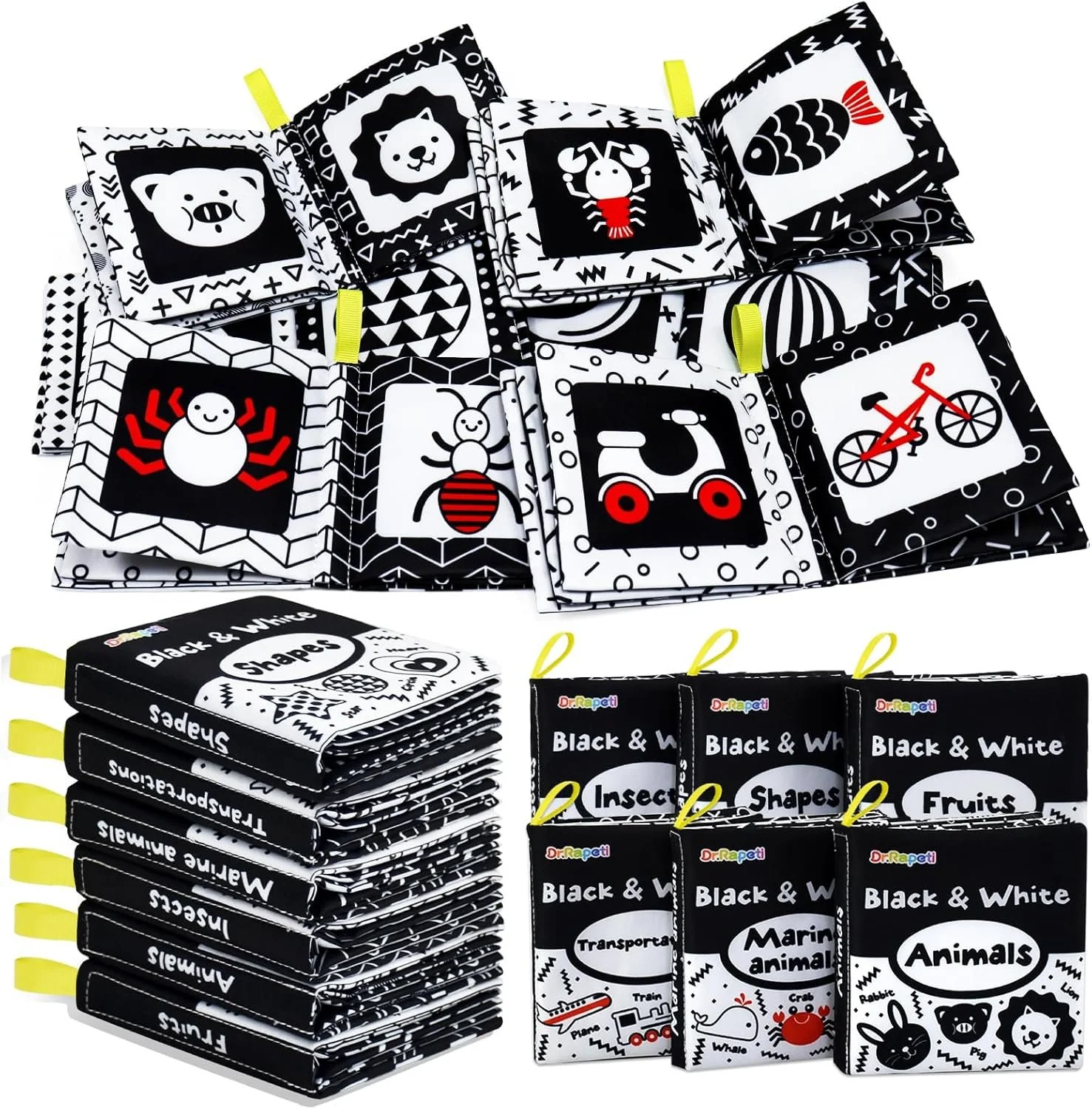
High Contrast Crinkle Cloth Books
Encourages shared enjoyment and playful back-and-forth during routines like tummy time or diaper changes
Model sounds and early words like “wow”, and “open” while exploring together, encourage sensory exploration of pages
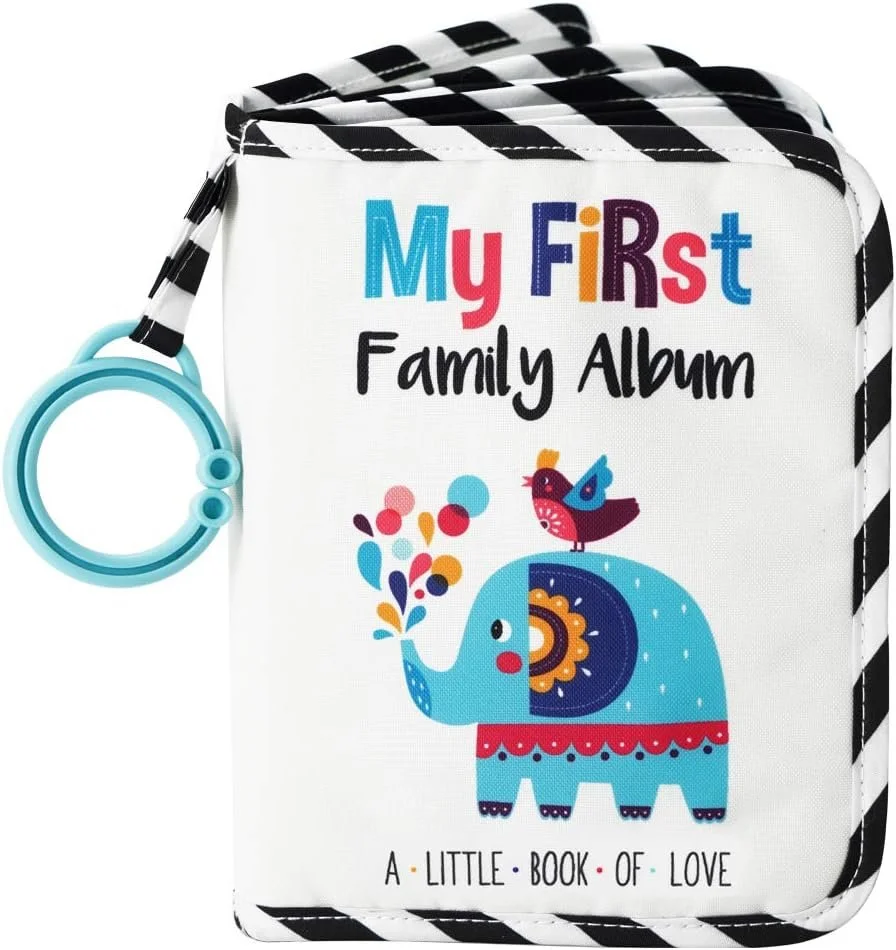
Family Album
Fosters early attachment, name recognition, and routines around familiar faces
Fill it with photos of caregivers, siblings, or pets and pair with loving language like “Dada”, “hello”, “bye bye”, or “I love you”
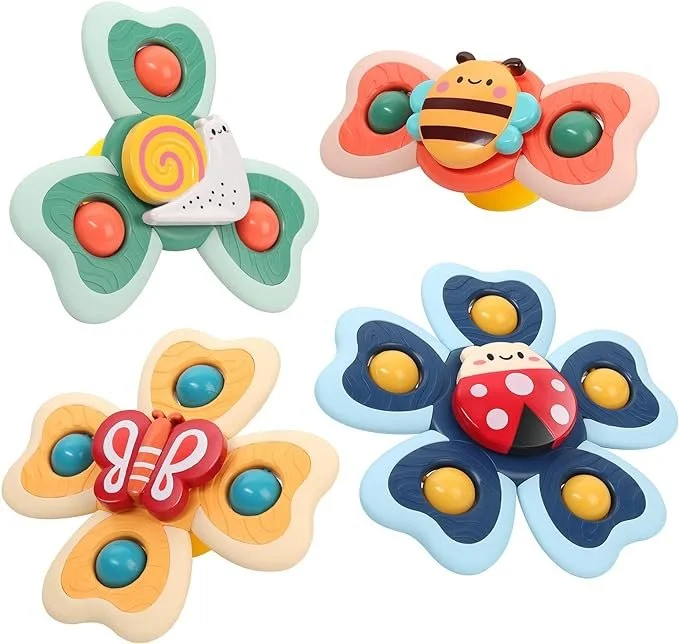
Suction Spinners
Supports visual tracking, regulation, and early gaze shifting in joint play
Offers an easy opportunity to model simple core words like “stop/go,” “spin,” or “more” without expectations
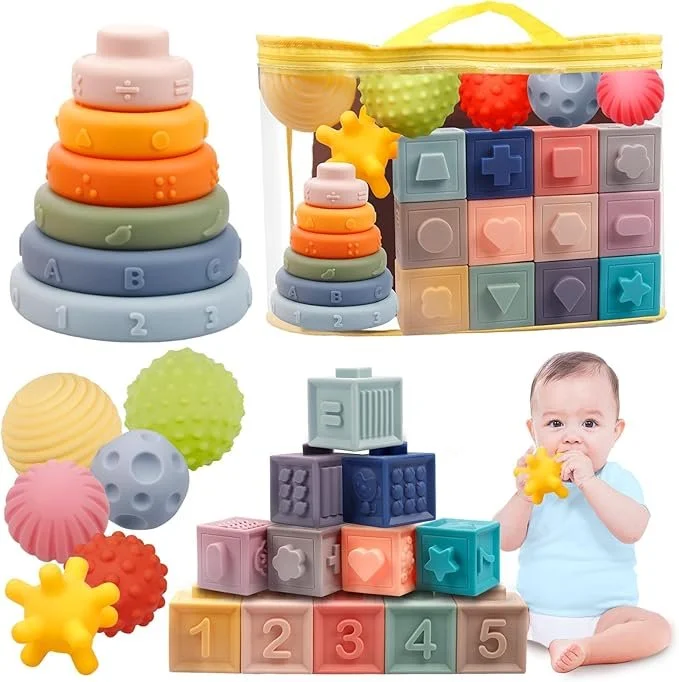
Textured Sensory Balls
Provides rich tactile input through squeezing, mouthing, and rolling
Great for solo or shared play with language like “ball,” “up,” “bounce,” and “roll”
Ages 6-12 months
Recommendations: Remember that “people games” like peek-a-boo using a blanket, and one on one interactions, are sometimes the best games to play! See our parent resource section for a handout on people games and other great ideas.
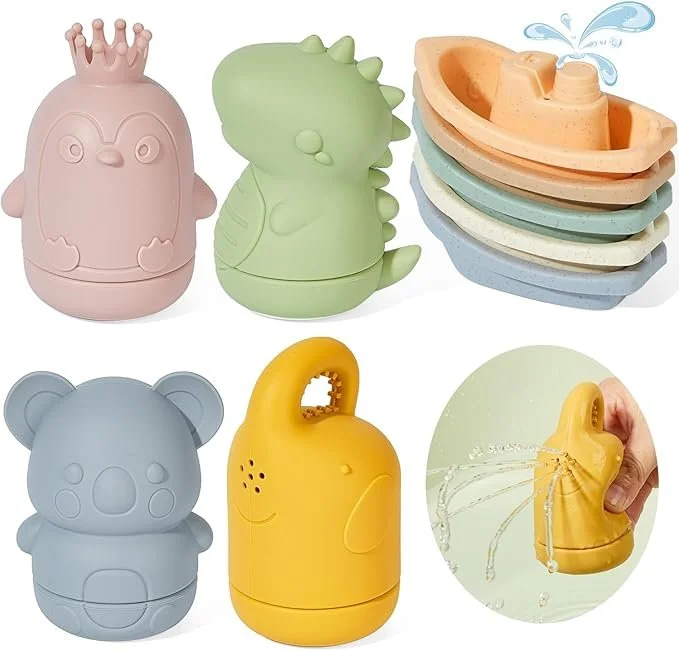
Floating or Sensory Bath Toys
Encourages shared enjoyment and playful back-and-forth during bathtime
Model sounds and early words like “3-2-1 go,” and “splash” while exploring water play together
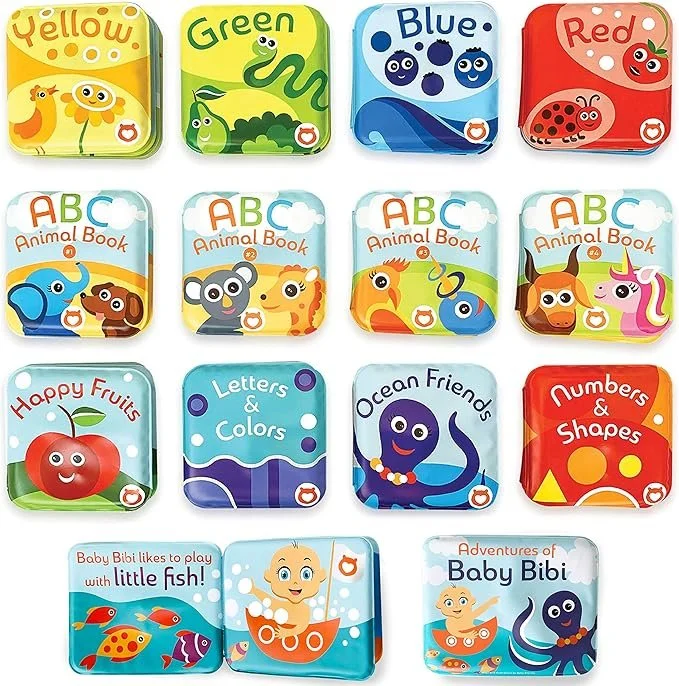
Plastic Books
Fosters early literacy skills, such as looking at pages, holding book, turning pages
Read together to build connection, and focus on establishing a routine around reading together early on
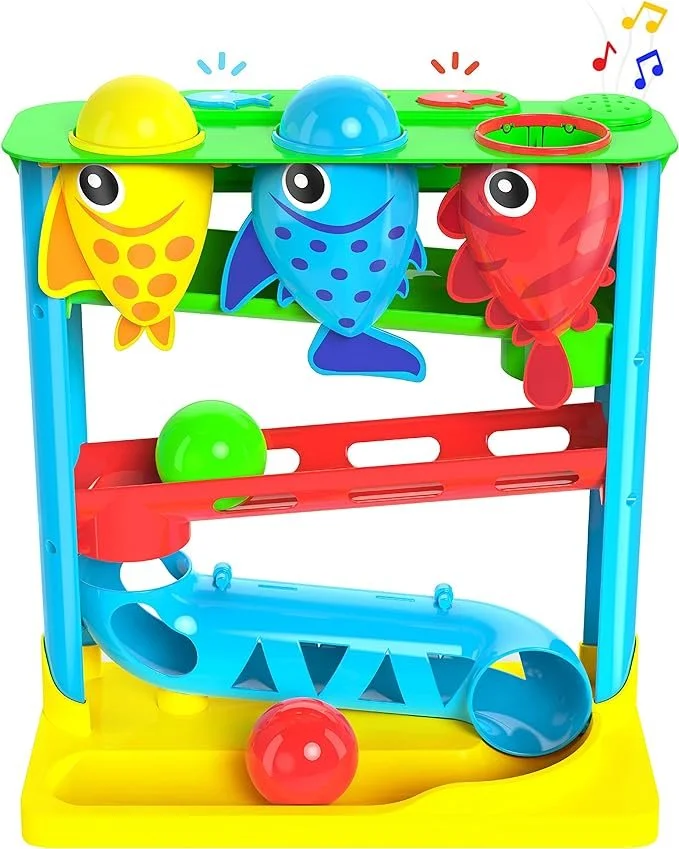
Cause & Effect Toys
Supports joint attention. The toy becomes a shared focus you can label together (“Ball!” → “Ball go!”)
Builds motivation as predictable pay-offs keep the child in the interaction long enough for you to model language & build connection
Model simple core words like “stop/go,” “down,” or “more”
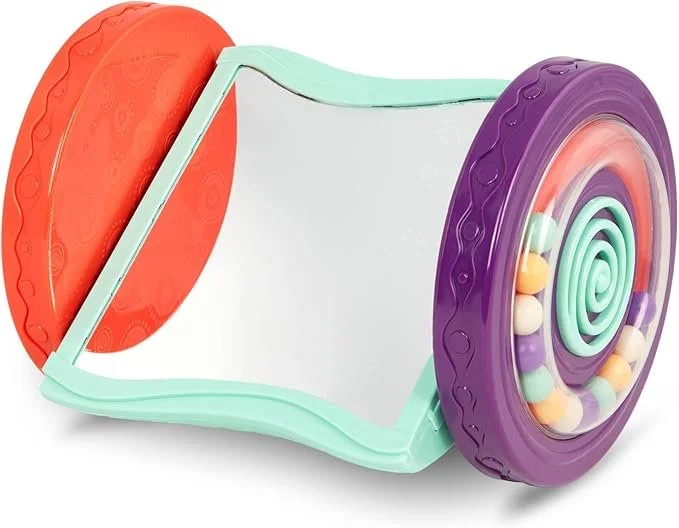
Rolling Mirror
Provides opportunity to encourage child to crawl & move about
Mirrors invite babies to watch mouths and faces, which can help with imitating sounds and expressions that may develop into first words and social language
Ages 1-2 : Cause & Effect, Emerging Words, and Simple Social Routines
During this stage, children are often discovering the power of communication — through sounds, gestures, actions, or words. They may show interest in moving their bodies, exploring objects in new ways, and playing alongside adults or siblings. Some kids point or name things, while others communicate through looks, actions, or signs. All of it counts!
Recommended toys: Stacking and nesting toys, simple puzzles, picture books (bring back out their family photo album!), pull/push toys, blocks, sand or water play toys, toy telephones, musical instruments, balls, plastic containers for filling and dumping, and cardboard boxes for imagination!
Exercise and your toddler:
If physically able, be sure to include daily physical activity into your regular routine and be active with your child! Model and practice being active together.
- Kick balls or ride a strider bike to learn about balance, or even simply listen to music and dance/jump around! Set up obstacle courses or go to the park. Try ball play, hitting and batting, throwing and catching. If they want get them involved in water play or swimming.
** The Canadian Physical Activity Guidelines recommend that children 1 to 4 years old need to be active for at least 180 minutes (3 hours) at moderate intensity spread throughout the day. Your toddler needs time and space for active play! **
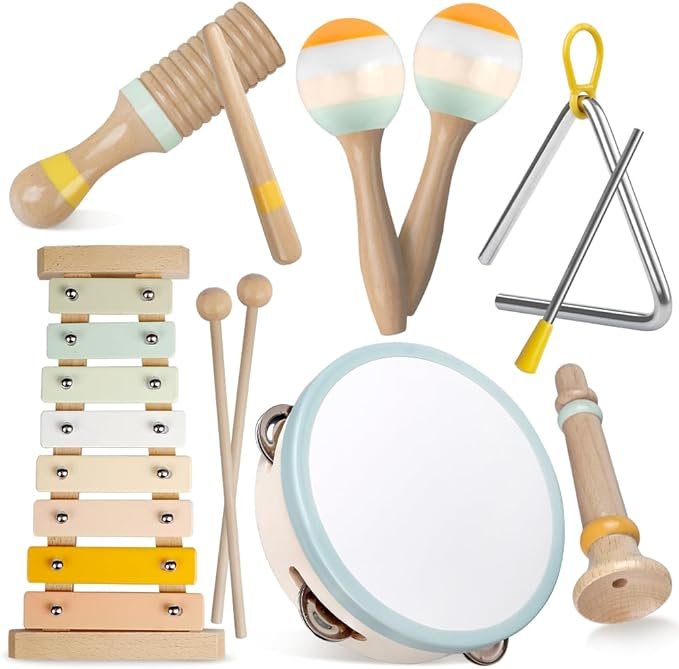
Musical Toys
Promotes cause-effect learning, fine-motor skills, musical exploration, and turn-taking
Encourage your child to copy your actions, or start to copy theirs to see how they react!
Teach concepts such as loud vs quiet, fast vs slow
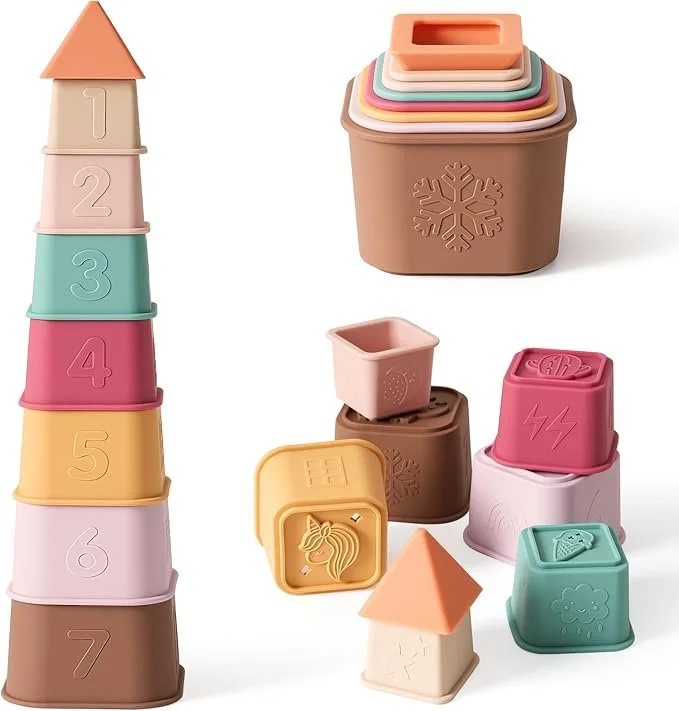
Nesting Cups
Boosts problem-solving and spatial language
Narrate actions (“in”, “on”, “more”, “make it tall/big”, “crash!”) and play together to support early back-and-forth play
Can add to water or sand for sensory play!
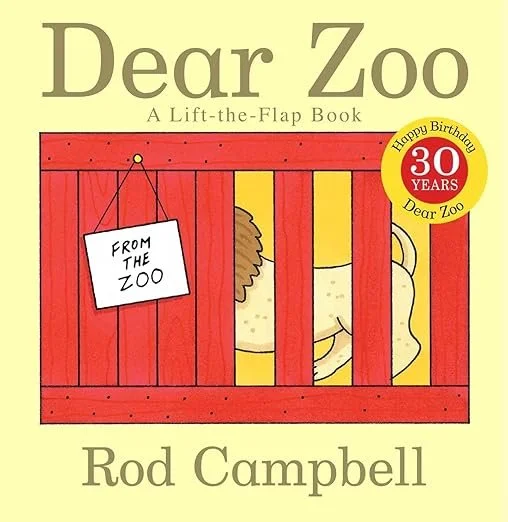
Books, books, books!
The more the merrier, encourage reading to establish connection, and strong language & literacy skills
Predictable structure helps build joint attention and language
Focus on 1-2 key words per page, use & encourage gestures
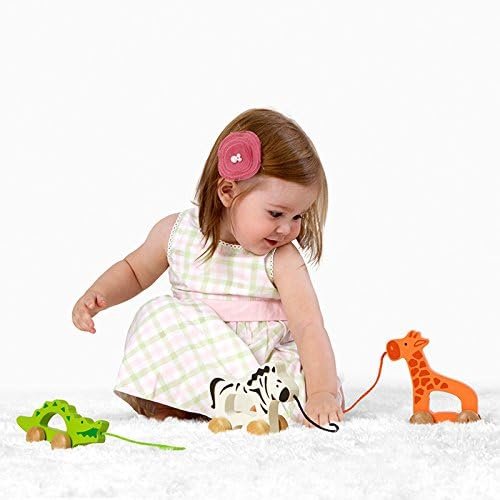
Push/Pull Toy (with a string or handle)
Encourages movement, independence, and can be paired with language like “go,” “fast,” “again”
FREE: consider using a laundry basket with a string on it! You can pull your child or they can pull their toys around.
Ages 2-3 : Pretend Play, Problem Solving, Early Language, and Self-Expression
This age can bring big feelings and expanding curiosity. Children might begin showing preferences, using early pretend play, or expressing emotions through play and movement. Some may start using words in new ways, while others communicate through play, pictures, or actions. There’s no one “right” path — all forms of connection are valid.
Recommended toys: Interactive toys such as dress up clothes, storybooks, cars and trucks, puppets, pretend play sets (kitchen/farm/shopping/trains), toy animals. Creative play items such as play dough, finger-paints, short and wide crayons or markers. Problem solving toys such as puzzles, sorting and classifying items by color or shape, building blocks (magnetic or Lego). Lastly, gross motor toys like bikes or ride on toys, balls to play “catch”, music to sing/dance to, cardboard boxes for imaginative play
Exercise and your toddler:
If physically able, be sure to include daily physical activity into your regular routine and be active with your child! Model and practice being active together.
- Kick balls or ride a strider bike to learn about balance, or even simply listen to music and dance/jump around! Set up obstacle courses or go to the park. Try ball play, hitting and batting, throwing and catching. If they want get them involved in water play or swimming.
** The Canadian Physical Activity Guidelines recommend that children 1 to 4 years old need to be active for at least 180 minutes (3 hours) at moderate intensity spread throughout the day. Your toddler needs time and space for active play! **
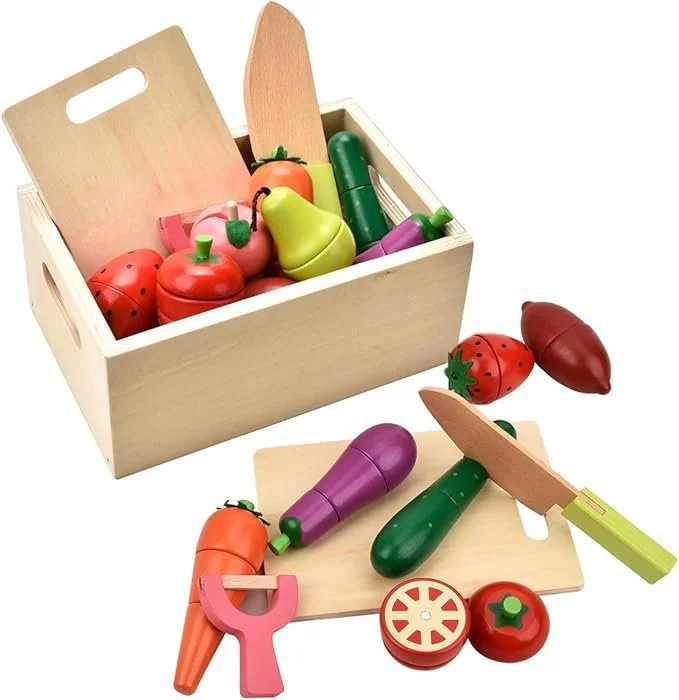
Pretend Food Cutting Set
Encourages imaginative play (make lunch, cook soup, feed doll or family).
Great for turn-taking, modeling core verbs (“cut,” “eat,” “cook,” “open/close”) and expanding on single-word utterances using descriptors (“the apple is red!”, “you have the BIG carrot!”).
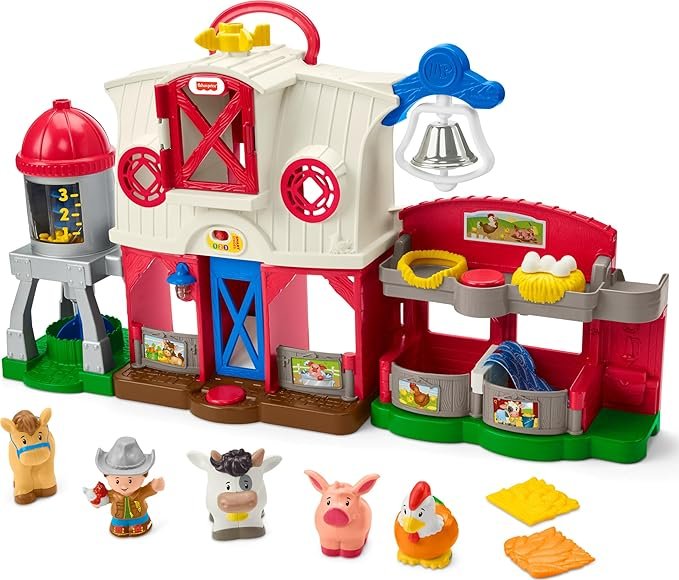
Animal Play Set
Allows for sound play (“cow says moo,” “uh oh pig fell,” “horses go eat”) and pretend play/storytelling.
Perfect for teaching action words (eat, drink, sleep, jump, chase, hide), or descriptive words (colors, furry/feathery, big/small), as well as prepositions (in, on, under, next to, behind)
Tip: Pair gestures or AAC buttons for in / out / eat / sleep to reinforce concepts multimodally.
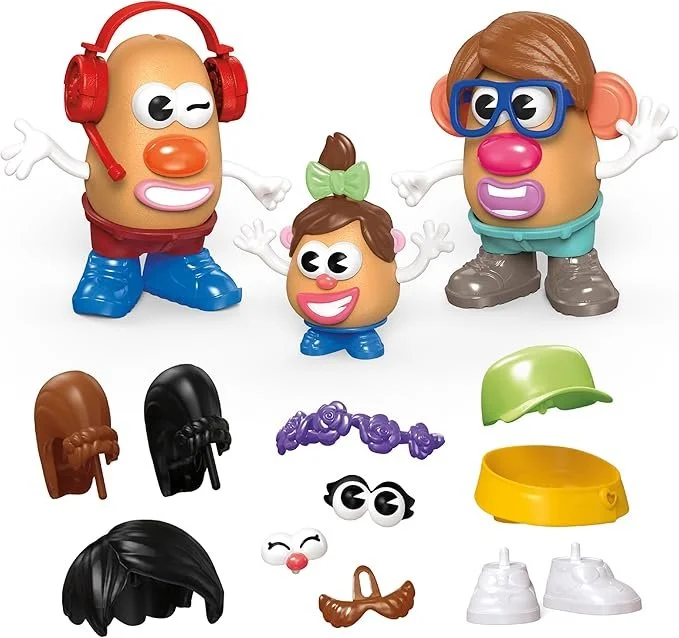
Mr. Potato Head or Dress-Up Dolls
Invites fine motor play, labeling, and great for requesting or rejecting (“Do you want the blue hat or the green hat?”).
Silly sabotage for vocab expansion (put ears in eye hole “Oh no! Ears don’t go there, where do they go?”)
Teaches body parts, pronouns (“his nose or her nose?”) emotion words (“oh no he looks sad”), and many others!

Strider Bike
Encourages outdoor play, shared enjoyment with parents chasing or going on walks together. Lots of opportunity for language use.
Incorporate words like “up/down,” “turn”, pronouns (“my bike”, “your turn”), descriptive words (“fast/slow”)
Examples: “go fast!… STOP”, “Ride up the driveway… now go around the cone”, “this path is bumpy!”, pretend the bike runs out of fuel - “how will we fix it?!”
Ages 3-4 : Imaginative Play, Social Play, Emotional Regulation, and Expanding Language
As they grow, many kids become more interested in imaginative play and interacting with others — in their own unique ways. Some may narrate their play, while others express ideas through movement, art, or quiet observation. Language, emotion, and play continue developing on different timelines.
Recommended toys: Interactive toys such as dress up clothes and props for pretend play, story books, music & musical instruments, rhyming games, magnetic letters and numbers, puppets, dolls, train sets, farm sets, car sets, kitchen sets, animals. Gross motor toys such as climbing, jumping and swinging equipment, bikes, balls of all sizes, fort items. Creative mediums for hand play; crafts, play dough, markers, crayons, pencils, chalk, glue, scissors, paper, beads with laces and/or yarn. Problem solving toys such as interlocking jigsaw puzzles, memory card games, counting and matching games, beads/fidgets.
Exercise and your toddler:
If physically able, be sure to include daily physical activity into your regular routine and be active with your child! Model and practice being active together.
- Kick balls or ride a strider bike to learn about balance, or even simply listen to music and dance/jump around! Set up obstacle courses or go to the park. Try ball play, hitting and batting, throwing and catching. If they want get them involved in water play or swimming.
** The Canadian Physical Activity Guidelines recommend that children 1 to 4 years old need to be active for at least 180 minutes (3 hours) at moderate intensity spread throughout the day. Your toddler needs time and space for active play! **
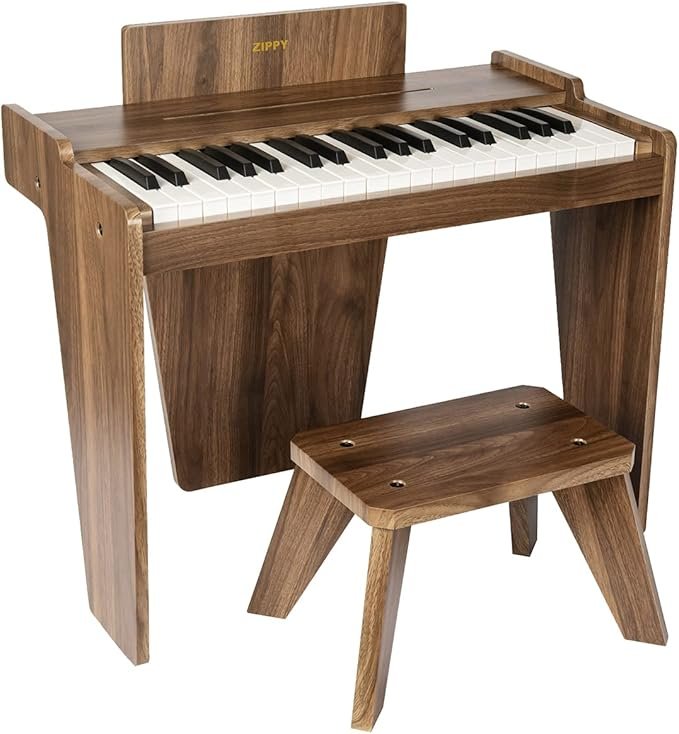
Musical Toys
Promotes sensory regulation, fine-motor skills, musical exploration, and turn-taking
Consider imaginative play (eg., pretend concerts, marching bands, or music shows)
Core words: go, stop, more, loud, quiet, fast, slow, shake, hit, listen, again
Model phrases: “Shake, shake! Now stop!”, “Let’s play it loud! Now play it quiet.”, “More music? Okay!”, “Listen! What sound is that?”

Rhyming Books
Great for expanding early literacy skills, phonological awareness, increasing vocabulary, and shared reading routines
Try: “Can you say the next part?” (pause to let them finish a rhyme), “Rhymes are words that sound the same — like cat and hat!”
Take regular trips to the library to get new books to explore! Edmonton Public Libraries offer free memberships. Check out your local library this week!
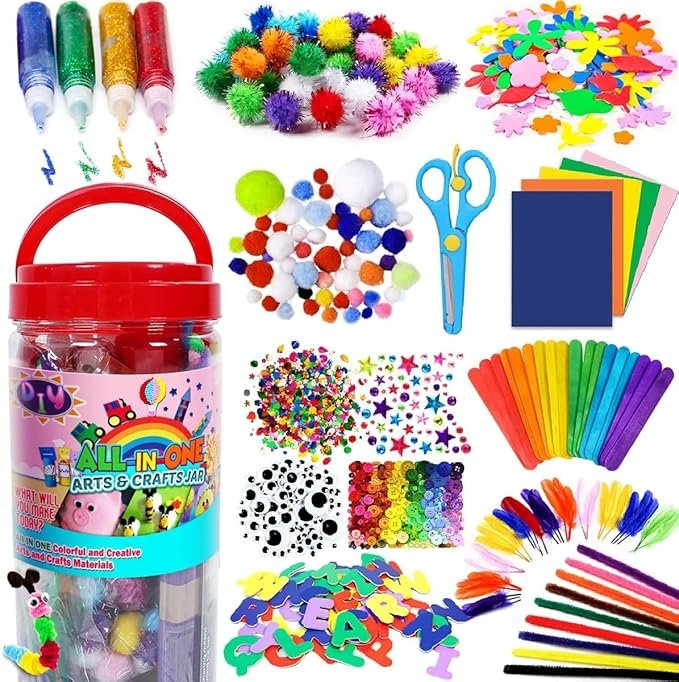
Crafting
Open-ended sensory exploration, builds fine-motor skills and encourages problem solving, setting your child up for success in school
Can be emotionally regulating, especially if you make a sensory jar for your child to play with or use as a calming tool
Great for building verbs like “roll,” “squish,” “cut”, “press”
Idea: turn crafts into storytelling! - “Tell me about your picture”
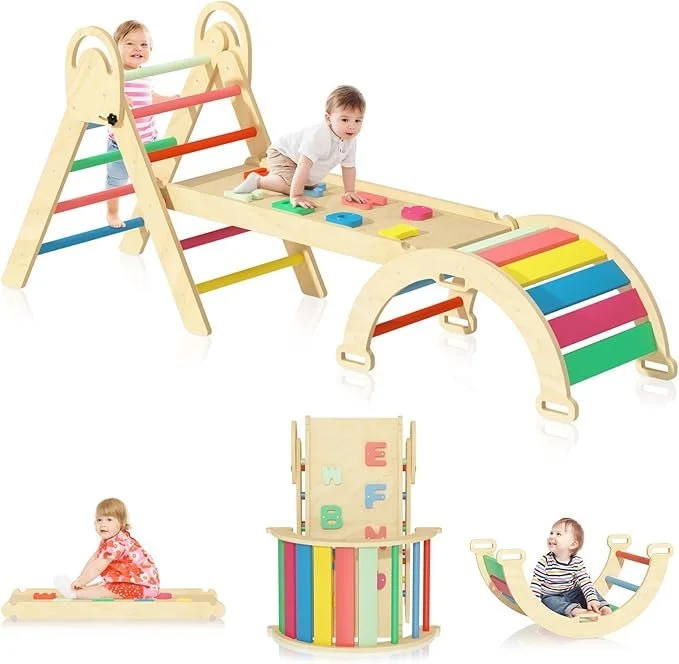
Indoor Climbing Structure
Builds gross motor coordination (climbing, balance, spatial awareness)
Supports body regulation (movement can help with sensory needs)
Imaginative play - turn it into a mountain, pirate ship, or hideout!
Core words: go, up, down, stop, help, turn, big, more, fast, slow, fall, jump, climb
Model phrases such as “I need help getting down.”, “Take a turn after me!”, “You’re going so fast / so slow.”
Babble & Bloom is a participant in the Amazon Services LLC Associates Program, an affiliate advertising program designed to provide a means for sites to earn fees by linking to Amazon.ca